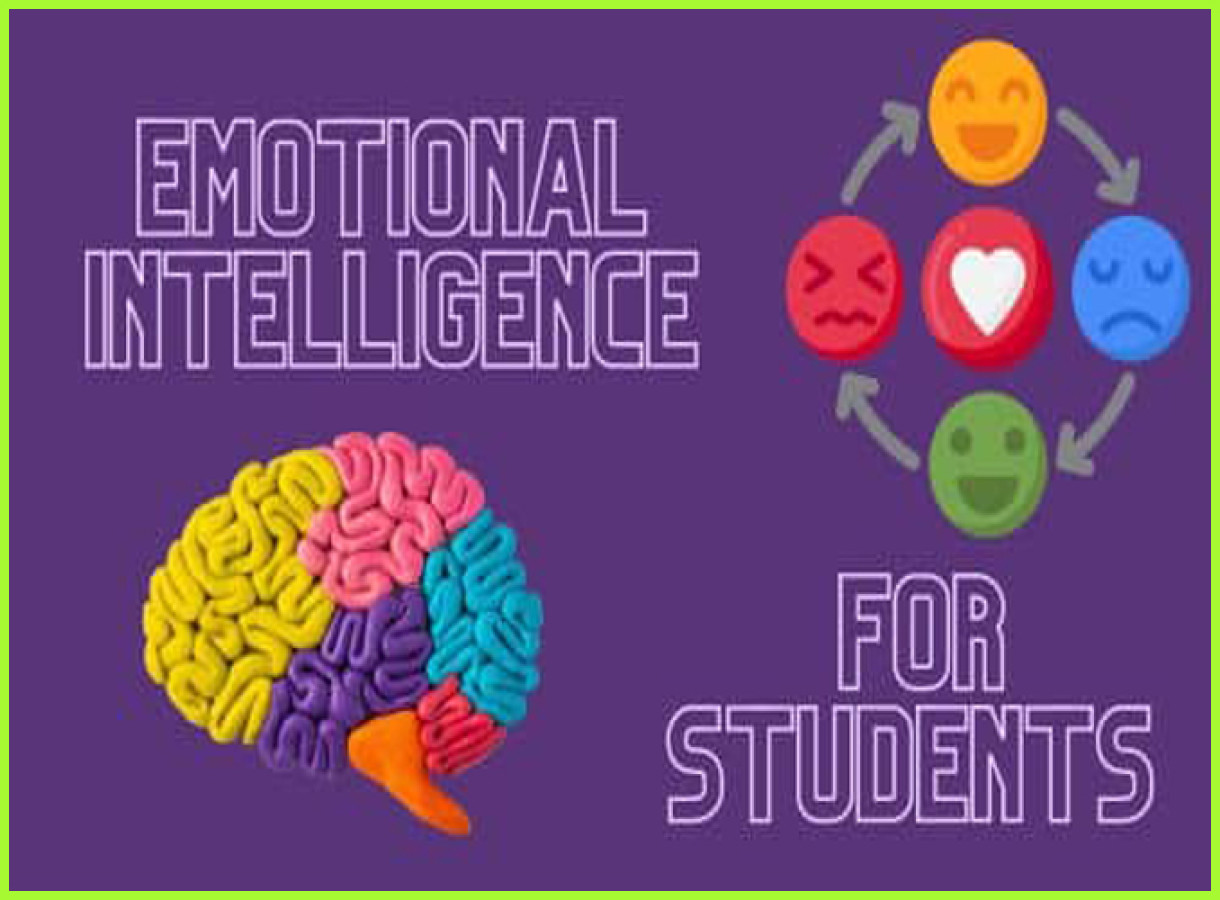
Developing Emotional Intelligence in Students
"What really matters for success, character, happiness and lifelong achievements is a definite set of emotional skills - your EQ - not just purely cognitive abilities that are measured by conventional IQ tests."
- Daniel Goleman
In today's education-driven world, we often measure student success by academic performance, test scores and report cards. Yet, beneath the surface lies another vital skill-one that quietly shapes our children's future: emotional intelligence (EQ).
While intelligence may get a child through school, emotional intelligence helps them thrive in life. It equips them to handle stress, build meaningful relationships, make thoughtful decisions and bounce back from setbacks.
Why Emotional Intelligence Matters
Emotional intelligence is the ability to recognize, understand, manage and respond to emotions-both our own and others'. Research shows that EQ is a key predictor of long-term success, stronger relationships and mental well-being.
Children who are emotionally intelligent are better communicators, more empathetic friends and more confident individuals. They are also less likely to engage in bullying, aggression or self-destructive behaviors.
Creating a Safe Emotional Space
Emotional learning begins with emotional safety. Children open up when they feel heard, respected and understood. As educators and parents, our first task is to create classrooms and homes where emotions are welcomed not judged.
Teaching the Language of Emotions
Children can't express what they don't have words for. Teaching emotional vocabulary is vital. Encourage phrases like:
- "I feel frustrated because..."
- "I'm excited about..."
- "I was hurt when..."
Mindfulness and Reflection
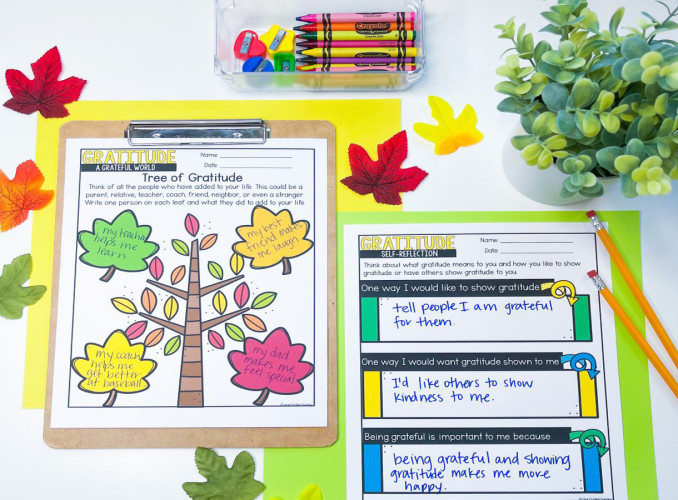
Mindfulness practices help children connect with their inner world. Simple breathing exercises, quiet reflection or gratitude journaling build emotional awareness and self-regulation.
Modelling Emotionally Intelligent Behavior
Children learn best by example. When adults respond to stress calmly, admit mistakes or offer empathy, children learn to do the same.
Social-Emotional Learning in Practice
Classroom activities that promote collaboration, empathy, and communication are essential. Group projects, peer mentoring, role-playing and open discussions help students practice navigating feelings and social situations.
The Bigger Picture
Emotional intelligence is not just a "soft skill"-it's a life skill. When we nurture EQ alongside IQ, we raise not just successful students-but compassionate, resilient, and emotionally strong human beings.